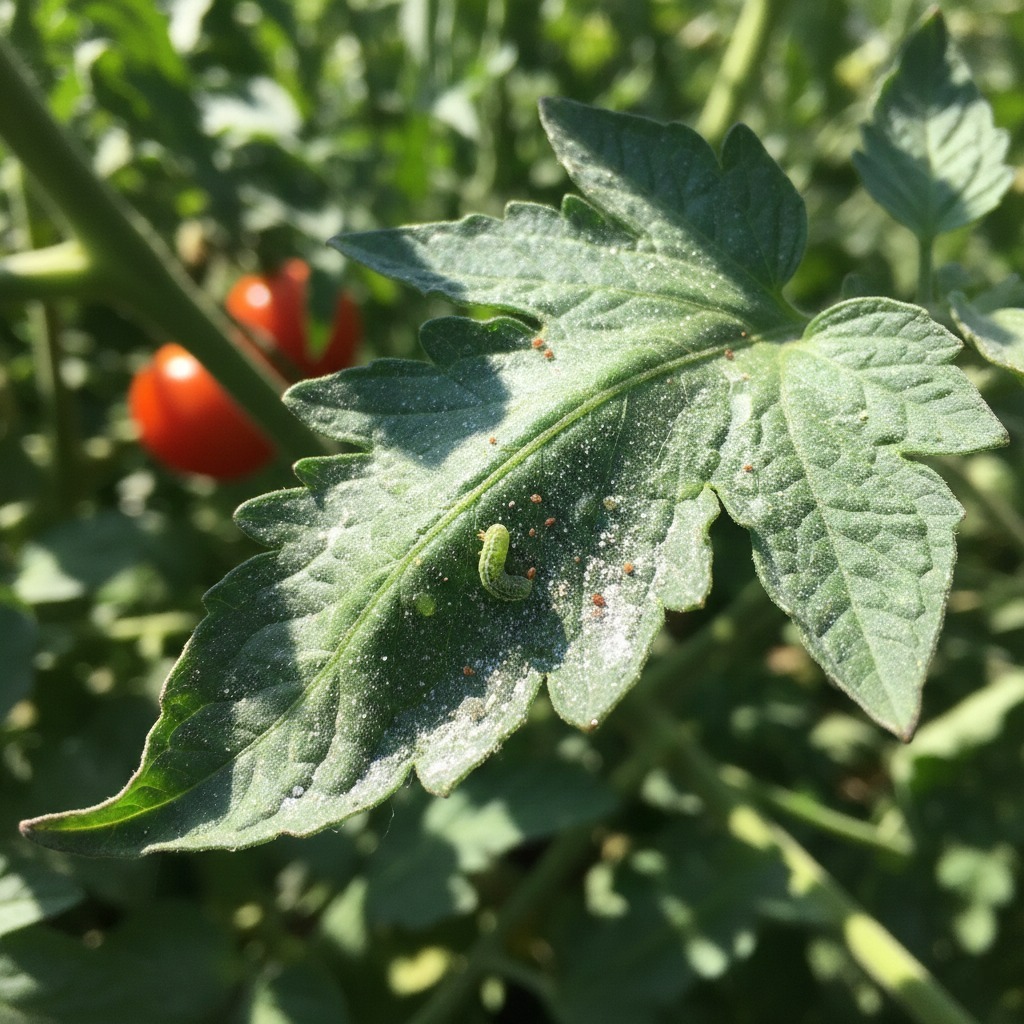
In modern agriculture, protecting crops from harmful pests is essential for achieving higher yields and better quality produce. One of the most trusted and widely used insecticides by farmers across India is Confidor Insecticide. Known for its powerful systemic action and long-lasting protection, Confidor has become a preferred choice for managing sucking pests in various crops.
Table of Contents
In this detailed guide from PesticideStore, we will explore everything you need to know about Confidor Insecticide—its composition, uses, dosage, benefits, target pests, crops covered, safety precautions, and why it is an excellent investment for farmers.
What is Confidor Insecticide?
Confidor Insecticide is a systemic insecticide belonging to the neonicotinoid group, with Imidacloprid as its active ingredient. It works by attacking the nervous system of insects, leading to paralysis and death. Due to its systemic nature, Confidor is absorbed by plant tissues and provides internal protection, making it highly effective against sucking pests.
Confidor is widely used in agricultural and horticultural crops and is known for its fast action, long residual effect, and excellent crop safety.
Confidor Insecticide works through systemic translocation. Once applied, it is absorbed by the plant and transported through the vascular system. When pests feed on the plant sap, they ingest the insecticide.
Confidor interferes with the insect’s nervous system by binding to nicotinic acetylcholine receptors. This disrupts nerve signal transmission, causing paralysis and eventually killing the pest. This mode of action ensures effective pest control even at low doses .
Key Benefits of Confidor Insecticide
1. Powerful Control of Sucking Pests
Confidor Insecticide is highly effective against aphids, whiteflies, jassids, thrips, leafhoppers, and other sap-feeding insects.
2. Systemic Protection
Because it moves within the plant, Confidor protects even new growth after application.
3. Long-Lasting Effect
Provides extended pest control, reducing the need for frequent spraying.
4. Fast Action
Visible pest reduction can be observed within a short time after application.
5. Cost-Effective Solution
Low dosage requirement makes Confidor economical for farmers.
6. Crop Safety
When used as recommended, Confidor is safe for crops and does not cause phytotoxicity.
Target Pests Controlled by Confidor Insecticide
Confidor Insecticide effectively controls:
Aphids
Whiteflies
Jassids
Thrips
Leafhoppers
Plant hoppers
Mealybugs (early stages)
Psyllids
These pests are responsible for major yield losses by sucking plant sap and transmitting viral diseases.
Crops Covered by Confidor Insecticide
Confidor is recommended for a wide range of crops, including:
Field Crops
Cotton
Paddy (Rice)
Wheat
Sugarcane
Vegetable Crops
Tomato
Brinjal
Chilli
Okra
Cabbage
Cauliflower
Fruit Crops
Mango
Citrus
Grapes
Pomegranate
Other Crops
Tea
Coffee
Ornamentals
Recommended Dosage of Confidor Insecticide
⚠️ Always follow label instructions and local agricultural guidelines.
General Dosage
Foliar Spray: 0.3–0.5 ml per liter of water
Per Acre: 40–80 ml per acre (depending on crop and pest severity)
Soil Application
Confidor can also be applied through soil drenching or drip irrigation in selected crops for early-stage pest control.
Best Time to Apply Confidor Insecticide
Apply at the early stage of pest infestation for maximum effectiveness
Morning or evening spraying is recommended
Avoid spraying during extreme heat or rainfall
Do not spray during flowering to protect pollinators
Compatibility with Other Agro Chemicals
Confidor Insecticide is compatible with many fungicides and micronutrients. However, avoid mixing with strongly alkaline products. Always conduct a jar test before tank mixing to ensure compatibility.
Resistance Management
To prevent pest resistance:
Avoid repeated use of Confidor alone
Rotate with insecticides having different modes of action
Use Integrated Pest Management (IPM) practices
Safety Precautions While Using Confidor Insecticide
Wear protective clothing, gloves, and mask during application
Avoid inhalation or skin contact
Do not eat, drink, or smoke while spraying
Keep away from children and animals
Wash hands and equipment thoroughly after use
Environmental Impact and Pollinator Safety
Confidor is toxic to bees if misused. Avoid spraying during flowering stages or when bees are active. Responsible usage ensures environmental safety and sustainable farming.
Why Buy Confidor Insecticide from PesticideStore?
At PesticideStore, we ensure:
100% genuine and branded products
Competitive pricing
Secure online payments
Fast doorstep delivery across India
Expert support and guidance
Buying from PesticideStore gives farmers confidence, convenience, and quality assurance. You can go Official website.
Frequently Asked Questions (FAQs) About Confidor Insecticide
Confidor Insecticide is one of the most widely used systemic insecticides by farmers and home gardeners for effective control of sucking pests. Below are detailed and commonly asked questions to help you understand its usage, benefits, safety, and application methods.
1. Is Confidor insecticide safe for crops?
Yes, Confidor is safe for crops when applied strictly as per the recommended dosage mentioned on the label. It works systemically by being absorbed into the plant tissues, protecting crops from inside without causing phytotoxicity. Overuse or incorrect dosage may affect crop health, so proper application is essential.
2. What type of insecticide is Confidor?
Confidor is a systemic insecticide belonging to the neonicotinoid group. Its active ingredient is Imidacloprid, which targets the nervous system of sucking insects, causing paralysis and eventual death.
3. Which pests does Confidor control?
Confidor is highly effective against a wide range of sucking pests, including:
Aphids
Whiteflies
Thrips
Jassids
Leafhoppers
Mealybugs
Termites (soil application)
It is commonly used in crops like cotton, vegetables, fruits, cereals, and ornamentals.
4. Can Confidor be used for home gardening?
Yes, Confidor can be used in home gardens, terrace gardens, and kitchen gardens. However, it should be used in very low concentration and only when pest infestation is severe. Always wear protective gloves and avoid spraying near flowering plants to protect beneficial insects.
5. How often can Confidor be sprayed?
Confidor should not be sprayed frequently. Apply it only when pest infestation is observed. Generally, one application can protect crops for 10–15 days. Repeated use may lead to pest resistance, so rotate with other insecticides if needed.
6. What is the recommended dosage of Confidor?
The dosage varies depending on the crop and pest. On average:
0.3–0.5 ml per liter of water for foliar spray
20–30 ml per acre (crop dependent)
Always follow the manufacturer’s label instructions for accurate dosage.
7. Does Confidor control viral diseases?
No, Confidor does not cure viral diseases. However, it plays an important role in preventing the spread of viral infections by controlling insect vectors such as aphids and whiteflies that transmit viruses like leaf curl and mosaic diseases.
8. How does Confidor work?
Confidor works by interfering with the insect’s central nervous system. Once absorbed by the plant, it spreads through the vascular system. When insects suck plant sap, they ingest the insecticide, leading to paralysis and death within a few hours.
9. Is Confidor safe for humans and animals?
Confidor is moderately toxic to humans and animals if misused. When applied correctly with safety measures—such as wearing gloves, masks, and avoiding direct contact—it is safe. Keep it away from children, pets, and food items.
10. Can Confidor be mixed with other pesticides?
Yes, Confidor is compatible with many fungicides and insecticides. However, avoid mixing it with alkaline chemicals. It is always recommended to perform a jar test before tank mixing to ensure compatibility.
11. Is Confidor harmful to bees?
Yes, Confidor can be harmful to bees and beneficial insects if sprayed during flowering. Avoid application during bloom time and prefer early morning or evening spraying to reduce bee exposure.
12. What crops can Confidor be used on?
Confidor is commonly used on:
Cotton
Rice
Vegetables (tomato, brinjal, chili, okra)
Fruits (mango, citrus, grapes)
Sugarcane
Ornamentals
Check crop-specific recommendations before use.
13. Can Confidor be used as a soil application?
Yes, Confidor can be used as a soil drench or root application to control soil-borne pests like termites and early-stage sucking insects. Soil application provides long-lasting protection.
14. How long does Confidor remain effective?
Confidor provides protection for up to 2–3 weeks depending on pest pressure, crop type, and environmental conditions. Being systemic, it offers longer residual control compared to contact insecticides.
15. Does Confidor leave residue on crops?
When used at recommended doses and observing the pre-harvest interval (PHI), Confidor leaves residue within permissible limits. Avoid spraying close to harvest to ensure food safety.
16. What precautions should be taken while using Confidor?
Key precautions include:
Wear protective clothing and gloves
Avoid inhalation and skin contact
Do not eat or drink while spraying
Wash hands thoroughly after use
Store in original container away from sunlight
17. Can Confidor be used during rainy season?
Confidor is rainfast after absorption. However, avoid spraying during rainfall. Apply at least 3–4 hours before rain for best results.
18. Is Confidor effective against resistant pests?
Confidor is effective, but continuous use may lead to resistance. To avoid this, rotate Confidor with insecticides from different chemical groups as part of an Integrated Pest Management (IPM) strategy.
19. What is the shelf life of Confidor?
Confidor generally has a shelf life of 2 years when stored in a cool, dry place in its original packaging. Do not use expired products.
Confidor Insecticide is a powerful and reliable solution for controlling sucking pests across a wide range of crops. When used responsibly and as recommended, it ensures healthy crop growth, better yields, and effective pest management. For authentic Confidor insecticide and expert support, choose pesticidestore—your trusted destination for quality crop protection products.