
Plant diseases are one of the biggest challenges faced by farmers, gardeners, and commercial growers. Fungal and bacterial infections can spread rapidly, damaging leaves, stems, fruits, and roots, ultimately reducing crop yield and quality. Among the many plant protection solutions available, Copper Fungicide has remained one of the most trusted and widely used options for decades. Its effectiveness, broad-spectrum action, and compatibility with different crops make it an essential tool in modern agriculture.
Table of Contents
This guide explains everything you need to know about Copper Fungicide, including how it works, its benefits, application methods, safety guidelines, and best practices for achieving maximum results.
What Is Copper Fungicide?
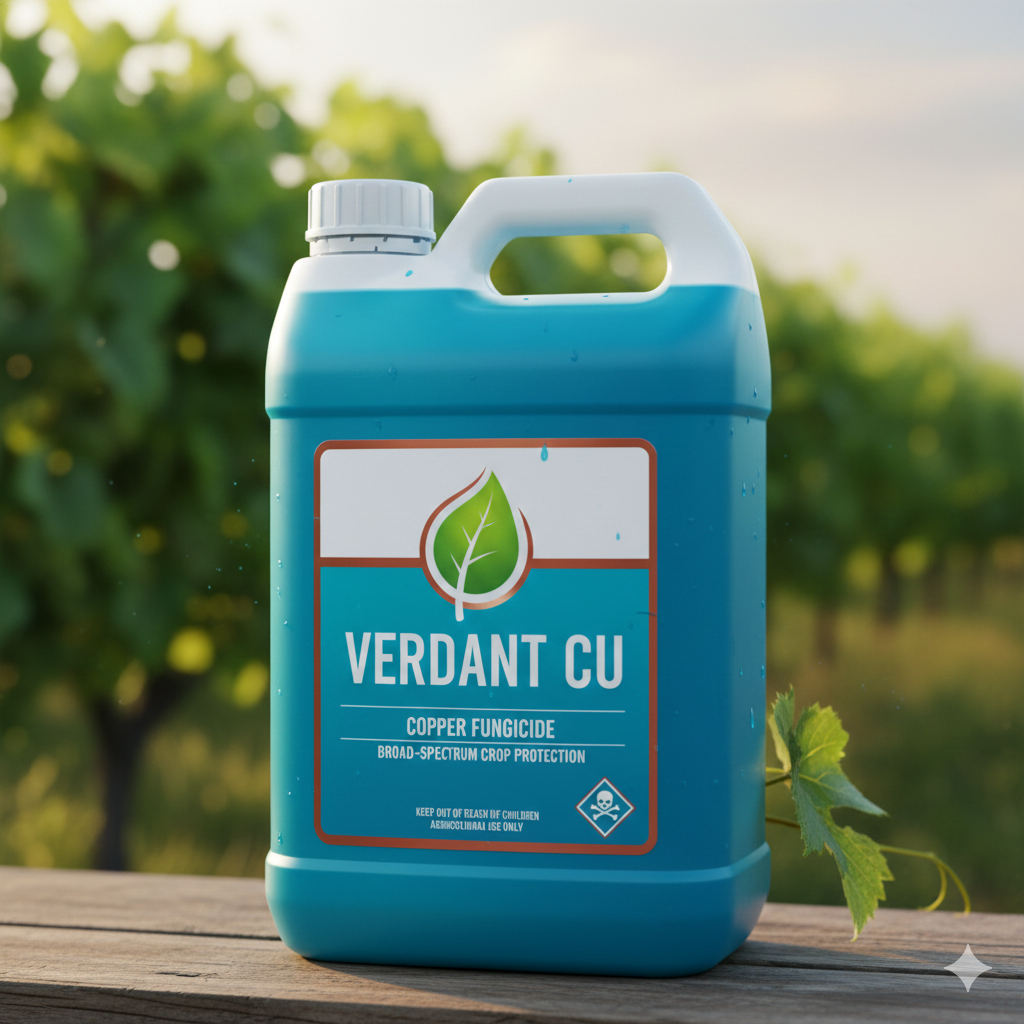
Copper Fungicide is a plant protection product made using copper compounds that help prevent and control fungal and bacterial diseases in crops. Unlike systemic fungicides that move inside plant tissues, this solution works primarily as a protective barrier on the plant surface. When pathogens come in contact with treated areas, copper ions interfere with their cellular processes, stopping their growth and spread.
Because of its protective action, Copper Fungicide is most effective when applied before disease outbreaks or at the very early stages of infection.
How Copper-Based Treatments Work
Copper compounds release active ions that disrupt vital enzyme systems inside fungal and bacterial cells. This interference prevents the pathogens from breathing, feeding, and reproducing. As a result, disease-causing organisms are neutralized before they can cause severe damage.
Since this mode of action affects multiple metabolic pathways, resistance development is extremely rare. This makes copper-based products valuable in integrated disease management programs where resistance control is a major concern.
Types of Copper Fungicide Formulations
Different formulations are available to suit various crops, climates, and disease pressures. Common types include:
Copper Hydroxide
Known for its quick action and good adhesion to plant surfaces, this formulation is widely used in vegetables and fruit crops.
Copper Oxychloride
This is one of the most popular forms due to its balance between effectiveness and crop safety. It is often used in cereals, pulses, and horticultural crops.
Copper Sulfate-Based Mixtures
Traditionally used in combination products like Bordeaux mixture, these are still common in vineyards and orchards.
Each formulation has specific advantages, and the choice depends on crop type, disease severity, and local agricultural recommendations.
Diseases Controlled by Copper Fungicide
Copper Fungicide is effective against a wide range of plant diseases, including:
- Leaf spots and blights
- Downy mildew
- Powdery mildew (preventive stage)
- Bacterial leaf spot
- Bacterial canker
- Anthracnose
- Fruit rot
- Early blight
Its broad-spectrum nature makes it especially useful in regions where multiple diseases occur simultaneously.
Crops That Benefit from Copper Fungicide
This fungicide is suitable for use on many crops, including:
- Vegetables such as tomatoes, potatoes, chilies, onions, and cucurbits
- Fruit crops like grapes, citrus, apples, and pomegranates
- Plantation crops including coffee and tea
- Field crops such as pulses and oilseeds
- Ornamental plants and flowering species
Because of its versatility, Copper Fungicide is commonly used in both small home gardens and large-scale commercial farming.
Benefits of Using Copper Fungicide
Broad-Spectrum Protection
One of the biggest advantages is its ability to control both fungal and bacterial diseases with a single application.
Low Resistance Risk
Since copper affects multiple biological processes in pathogens, resistance development is minimal compared to single-site fungicides.
Organic Farming Compatibility
Many copper-based products are approved for organic farming when used within recommended limits.
Long-Lasting Protection
Once applied, the protective layer remains effective for several days, depending on weather conditions.
Cost-Effective Solution
Copper Fungicide offers excellent value for money, especially for preventive disease management.
Application Timing and Method
Proper application plays a crucial role in achieving the best results.
Preventive Application
Applying the fungicide before disease symptoms appear is the most effective approach. This creates a protective shield that stops infection before it begins.
Early Infection Stage
If applied at the initial stage of disease development, Copper Fungicide can prevent further spread and reduce damage.
Spraying Technique
Uniform coverage of leaves, stems, and fruit surfaces is essential. Use clean spraying equipment and maintain recommended pressure for even distribution.
Recommended Dosage Guidelines
Dosage varies based on crop type and formulation strength. General guidelines include:
- Vegetables: Moderate concentration with adequate water volume
- Fruit crops: Slightly higher dosage for dense canopies
- Plantation crops: Follow label recommendations strictly
Always read the product label and consult local agricultural experts before application to avoid crop injury.
Safety and Precautions
Although Copper Fungicide is widely considered safe when used correctly, certain precautions must be followed:
- Wear protective gloves, masks, and clothing during mixing and spraying
- Avoid spraying during extreme heat or strong winds
- Do not exceed recommended dosage
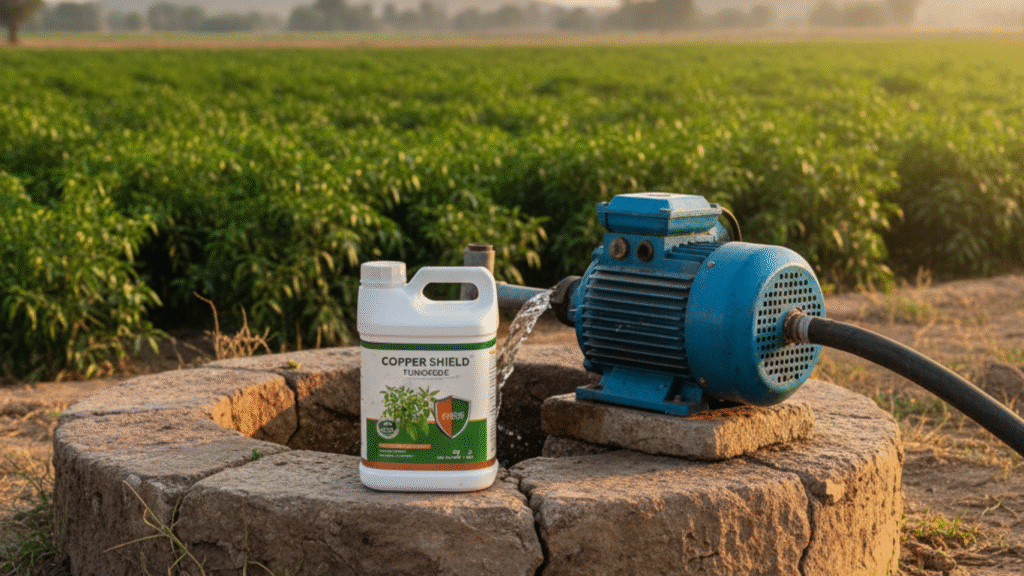
- Prevent spray drift to nearby water bodies
- Wash hands and equipment thoroughly after use
Proper handling ensures safety for both the applicator and the environment.
Environmental Impact and Soil Health
Copper is a naturally occurring element, but excessive accumulation in soil can affect beneficial microorganisms. Responsible usage is essential to maintain soil health. Rotating with other disease management methods and avoiding unnecessary applications can help prevent copper buildup.
When used judiciously, Copper Fungicide remains an environmentally acceptable option for disease control.
Role in Integrated Disease Management
Modern agriculture emphasizes integrated disease management (IDM), combining cultural, biological, and chemical methods. Copper-based fungicides fit well into this approach by:
- Providing preventive protection
- Reducing reliance on synthetic systemic chemicals
- Supporting resistance management strategies
Using Copper Fungicide alongside crop rotation, resistant varieties, and proper field sanitation improves overall disease control.
Storage and Shelf Life
Store the product in a cool, dry place away from direct sunlight and moisture. Ensure containers are tightly sealed and kept out of reach of children and animals. When stored properly, most copper formulations have a long shelf life without loss of effectiveness.
Common Mistakes to Avoid
- Applying after severe disease outbreak
- Overdosing in an attempt to increase effectiveness
- Spraying during rain or immediately before rainfall
- Mixing with incompatible chemicals
Avoiding these mistakes ensures better results and prevents crop damage.
Conclusion
Copper Fungicide continues to be a cornerstone of plant disease management due to its reliability, broad-spectrum action, and resistance-prevention benefits. When applied correctly and responsibly, it protects crops from a wide range of fungal and bacterial diseases while supporting sustainable agricultural practices.
Whether you are a small-scale gardener or a commercial farmer, understanding proper usage, timing, and safety measures will help you get the best results. With balanced application and integrated management, Copper Fungicide remains a powerful ally in maintaining healthy crops and achieving consistent yields.
Importance of Preventive Disease Management in Agriculture
Plant diseases often develop silently before visible symptoms appear. By the time farmers notice leaf spots, wilting, or fruit damage, the infection may already be widespread. Preventive disease management plays a critical role in protecting crops from such losses. Using protective treatments before favorable conditions for disease development can significantly reduce infection pressure and improve overall plant health.
Moisture, high humidity, poor air circulation, and fluctuating temperatures create ideal conditions for fungal and bacterial pathogens. Preventive sprays help create an unfavorable surface environment for these organisms, limiting their ability to survive and multiply.
Weather Conditions and Disease Pressure
Climate has a direct impact on plant disease outbreaks. Warm temperatures combined with frequent rainfall often lead to rapid pathogen development. During monsoon seasons or periods of heavy dew formation, crops become more vulnerable to infections.
Under such conditions, copper-based protective treatments act as a shield, especially on leaf surfaces and young plant tissues. Timely application before prolonged wet weather can significantly reduce disease severity and crop damage.
Compatibility With Other Crop Protection Products
One advantage of copper-based disease control solutions is their compatibility with several other agricultural inputs. When used correctly, they can be integrated with:
- Nutrient sprays
- Certain insect control products
- Growth promoters
- Biological inputs (with proper scheduling)
However, not all chemicals are compatible. Mixing incompatible products can reduce effectiveness or cause plant injury. Always conduct a jar test and follow manufacturer guidelines before tank mixing.
Use in Organic and Sustainable Farming Systems
Sustainable agriculture focuses on maintaining long-term soil health, reducing chemical dependency, and preserving ecological balance. Copper-based treatments are often permitted in organic farming systems when applied within regulated limits.
Organic growers commonly use these products to manage diseases in fruits, vegetables, and plantation crops. Responsible use ensures that crops remain protected without negatively affecting beneficial insects or soil organisms.
Managing Copper Accumulation in Soil
Although copper is a naturally occurring element, repeated overuse can lead to accumulation in soil over time. Excess levels may affect earthworms and beneficial microbial activity. To prevent this, farmers should:
- Avoid unnecessary applications
- Rotate with non-copper disease control methods
- Follow recommended dosage strictly
- Monitor soil health periodically
Balanced use helps maintain effectiveness while protecting long-term soil productivity.
Disease Resistance Management Strategy
Pathogen resistance is a major challenge in modern agriculture. Many systemic fungicides target a single biochemical pathway, allowing pathogens to adapt quickly. Copper-based solutions act on multiple sites within microbial cells, making resistance development extremely unlikely.
For this reason, they are often included in resistance management programs as rotational or preventive treatments. Their use helps extend the effectiveness of newer fungicide molecules.
Nursery and Seedling Protection
Young seedlings are highly vulnerable to damping-off, leaf spots, and bacterial infections. Disease outbreaks at the nursery stage can lead to heavy losses and poor field establishment.
Applying protective sprays at the nursery level helps strengthen early plant growth and reduces disease carryover into the main field. This practice ensures healthier transplants and better crop uniformity.
Use in Horticulture and Floriculture
Ornamental plants, flowering crops, and landscaping species require disease-free appearance for market value. Leaf blemishes, spots, or blights can drastically reduce their commercial appeal.
Copper-based plant protection products are widely used in horticulture to maintain healthy foliage and vibrant flowers. Regular preventive care keeps ornamental plants visually appealing and market-ready.
Role in Orchard Disease Management
Fruit orchards face recurring disease pressure year after year due to permanent plant structures and carryover infections. Pruning wounds, fallen leaves, and infected twigs serve as sources of reinfection.
Applying protective sprays during dormant and early growth stages helps reduce disease inoculum. Orchard sanitation combined with timely sprays ensures healthier trees and improved fruit quality.
Best Practices for Maximum Effectiveness
To get the best results from copper-based disease control measures, follow these best practices:
- Apply during calm weather for uniform coverage
- Ensure complete wetting of plant surfaces
- Use clean water for spray preparation
- Maintain proper spray intervals based on disease pressure
- Avoid spraying during peak sunlight hours
Consistency and timing are key factors in achieving reliable disease suppression.
Understanding Phytotoxicity Risks
Although generally safe, excessive concentration or frequent applications may cause leaf burn or spotting, especially on sensitive crops. Symptoms usually appear as yellowing or scorched leaf edges.
To minimize phytotoxicity risks:
- Follow label dosage carefully
- Avoid spraying during extreme heat
- Test on a small area before large-scale use
Responsible use ensures plant safety and sustained performance.
Post-Harvest Disease Control
Certain crop diseases develop after harvest during storage and transportation. Preventive treatments applied at the field level help reduce post-harvest losses by minimizing surface infections.
Healthy crops entering storage facilities have a much lower chance of decay, ensuring better shelf life and higher market returns.
Economic Benefits for Farmers
Disease management is not just about crop protection but also about profitability. Preventing disease outbreaks reduces the need for costly curative treatments and minimizes yield loss.
Using reliable preventive solutions helps farmers:
- Maintain consistent production
- Improve crop quality
- Reduce overall input costs
- Increase market acceptance
This makes copper-based protection a cost-effective component of farm management.
Future of Copper-Based Plant Protection
Research continues to improve formulations with better adhesion, lower environmental impact, and enhanced efficiency. Modern advancements aim to reduce application rates while maintaining strong disease control.
As agriculture moves toward sustainability, copper-based disease management solutions are expected to remain relevant due to their proven reliability and compatibility with integrated farming systems.
Best Digital Marketing In Hyderabad
Final Thoughts
Effective disease control requires a balanced approach combining prevention, proper timing, and responsible application. Copper Fungicide remains a trusted option when used thoughtfully within recommended limits. Its role in protecting crops, supporting resistance management, and enabling sustainable agriculture makes it an essential part of modern crop protection strategies.
By adopting best practices and integrating multiple disease management methods, farmers and growers can achieve healthier crops, improved yields, and long-term soil sustainability.